

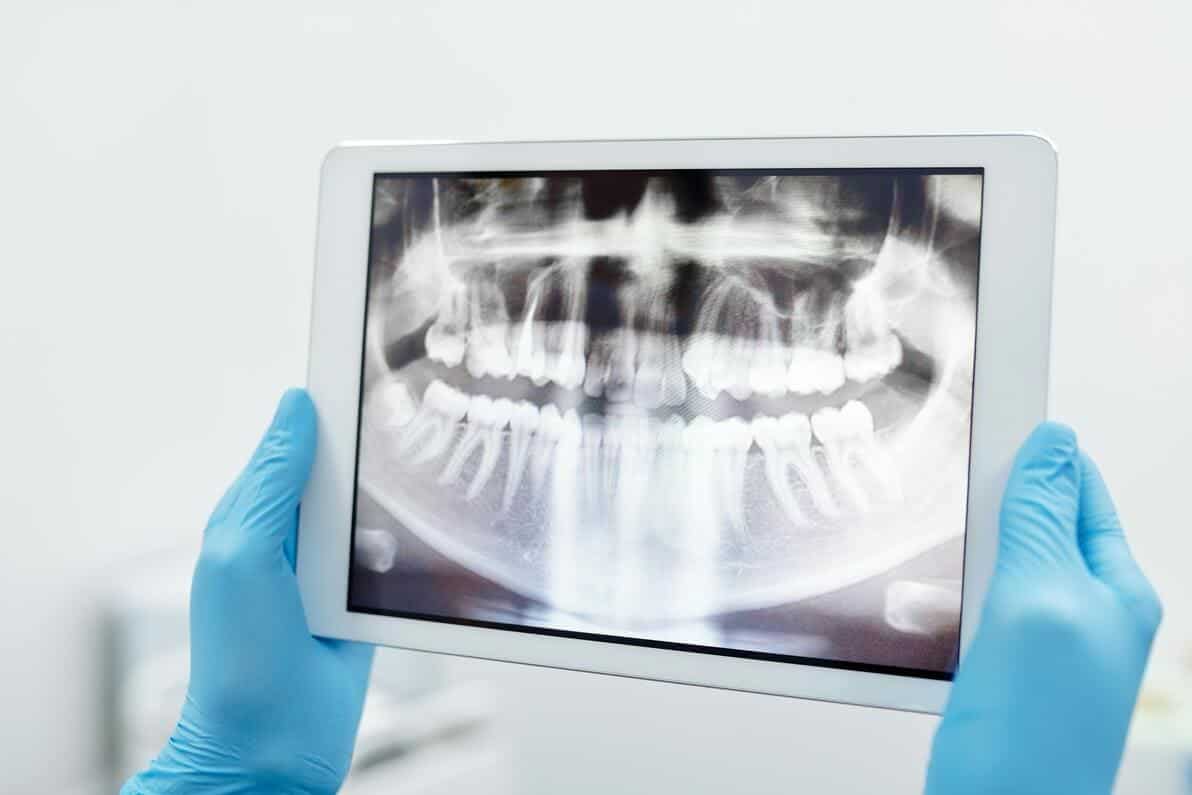

Wisdom teeth, or third molars, are the last dental pieces to appear in the mouth, usually between the ages of 17 and 25. Their extraction is one of the most common dental procedures and is often surrounded by doubts and fears. Understanding the process, the necessary care, and the potential complications can help you approach it with greater peace of mind. In this article, we will explain everything you need to know about wisdom teeth extraction: when it’s necessary, how it is performed, and how to care for your mouth during recovery.
When Is Wisdom Teeth Extraction Necessary?
Extraction is primarily recommended when wisdom teeth lack sufficient space to grow properly, which can lead to issues such as:
- Impaction: When the teeth are trapped beneath the gum tissue or within the bone.
- Infections or cavities: Partially erupted teeth can facilitate the accumulation of bacteria and food debris, increasing the risk of cavities and gingivitis.
- Damage to other teeth: Misaligned growth can press against neighboring teeth, affecting their structure.
- Cyst formation: In more severe cases, prolonged retention can lead to cysts that impact nearby bone or roots.
Specialists will assess your case through X-rays and oral examinations to determine the best solution.
The Extraction Process Step by Step
The procedure can be simple or surgical, depending on the position and condition of the tooth:
- Preparation and anesthesia: Local anesthesia is used to numb the area, or in some cases, general anesthesia may be required for complex surgeries.
- Incision and extraction: In more complex procedures, a small incision in the gum and removal of bone covering the tooth may be necessary.
- Sutures and closure: In some cases, sutures are used, which may be absorbable or require removal later.
- Post-operative care: Gauze is placed to control initial bleeding, and detailed recovery instructions will be provided.
Post-Operative Care and Recovery
The key to a smooth recovery is following the dentist’s instructions:
- Rest and soft diet: Rest and avoid physical exertion for at least 24-48 hours. Consume soft, cold foods.
- Gentle oral hygiene: Avoid vigorous rinsing during the first hours. Brush your teeth carefully, avoiding the affected area.
- Pain and swelling management: Pain can be controlled with prescribed or over-the-counter pain relievers. Apply cold compresses during the first 24 hours to reduce swelling.
- Avoid harmful habits: Do not smoke, use straws, or engage in suction, as this can dislodge the clot necessary for proper healing.
FAQs About Wisdom Teeth Extraction
- Is the extraction painful?
Local anesthesia ensures that the procedure is not painful. You may experience some discomfort during recovery, but pain can be easily managed with medication. - How long does full recovery take?
The recovery time varies depending on the person and the type of extraction, but generally, it takes 1 to 2 weeks for proper healing. - What should I do if I experience fever or excessive swelling?
Contact your dentist immediately, as it could be a sign of infection.
Wisdom teeth extraction is a common procedure that, when well-planned and followed by proper care, typically proceeds without major complications. If you are unsure whether your wisdom teeth need to be removed, it’s best to consult a specialist who can provide a personalized and safe solution. At Miravéco Clinic, we have experts in maxillofacial surgery who will guide you step by step to ensure the best possible care.
Learn about our oral and maxillofacial surgery services, schedule your appointment today, and resolve all your concerns about your wisdom teeth health.
