


Tooth wear is a common issue that affects people of all ages and can compromise both the functionality and aesthetics of your smile. This progressive deterioration of the tooth enamel, the protective layer of your teeth, can be caused by various factors such as bruxism, diet, or improper hygiene habits.
Although tooth wear usually develops gradually, its consequences can be significant if not addressed in time, leading to tooth sensitivity, bite problems, or even tooth loss.
In this article, we’ll explain the main causes of tooth wear, the most common types, and the available treatments to keep your teeth in optimal condition. If you notice changes in your teeth or discomfort when eating or drinking, keep reading to learn how to prevent and treat this problem.
Causes of tooth wear
Tooth wear can result from various factors, often combined. Here are the most common:
1. Bruxism
The habit of clenching or grinding your teeth, especially at night, creates constant friction that wears down the enamel and, in severe cases, can affect the tooth’s inner layers.
2. Acid erosion
Frequent consumption of acidic foods and drinks, such as sodas, citrus fruits, or vinegar, weakens enamel and causes mineral loss. Additionally, gastric reflux or frequent vomiting exposes teeth to stomach acids.
3. Improper oral hygiene
Aggressive brushing with hard bristles or excessive use of abrasive products, such as whitening toothpastes, can mechanically wear down the tooth enamel.
4. Harmful habits
Biting hard objects like pencils or nails, chewing ice, or using teeth to open containers contributes to physical wear.
5. Natural aging
Over time, enamel naturally wears down, which may become more noticeable in older adults.
6. Dental misalignment
A misaligned bite can create excessive pressure points in certain areas, accelerating the wear of those teeth.
Types of tooth wear
Tooth wear is classified into different types based on its primary cause:
1. Erosion
Occurs when teeth are exposed to acids, whether from diet or gastric origin. Teeth usually appear smooth, with thin, translucent edges.
2. Abrasion
Caused by external factors such as improper brushing or the use of abrasive dental products. It typically appears at the base of the teeth near the gums.
3. Attrition
Results from tooth-to-tooth contact, as in bruxism. Tooth edges become flat, and cracks may appear.
4. Abfraction
This type of wear occurs due to excessive mechanical forces, such as the pressure from a misaligned bite. It is characterized by grooves or small fractures at the base of the tooth.
Treatments for tooth wear
The appropriate treatment depends on the type and severity of tooth wear. These are the most common options:
1. Bruxism protection
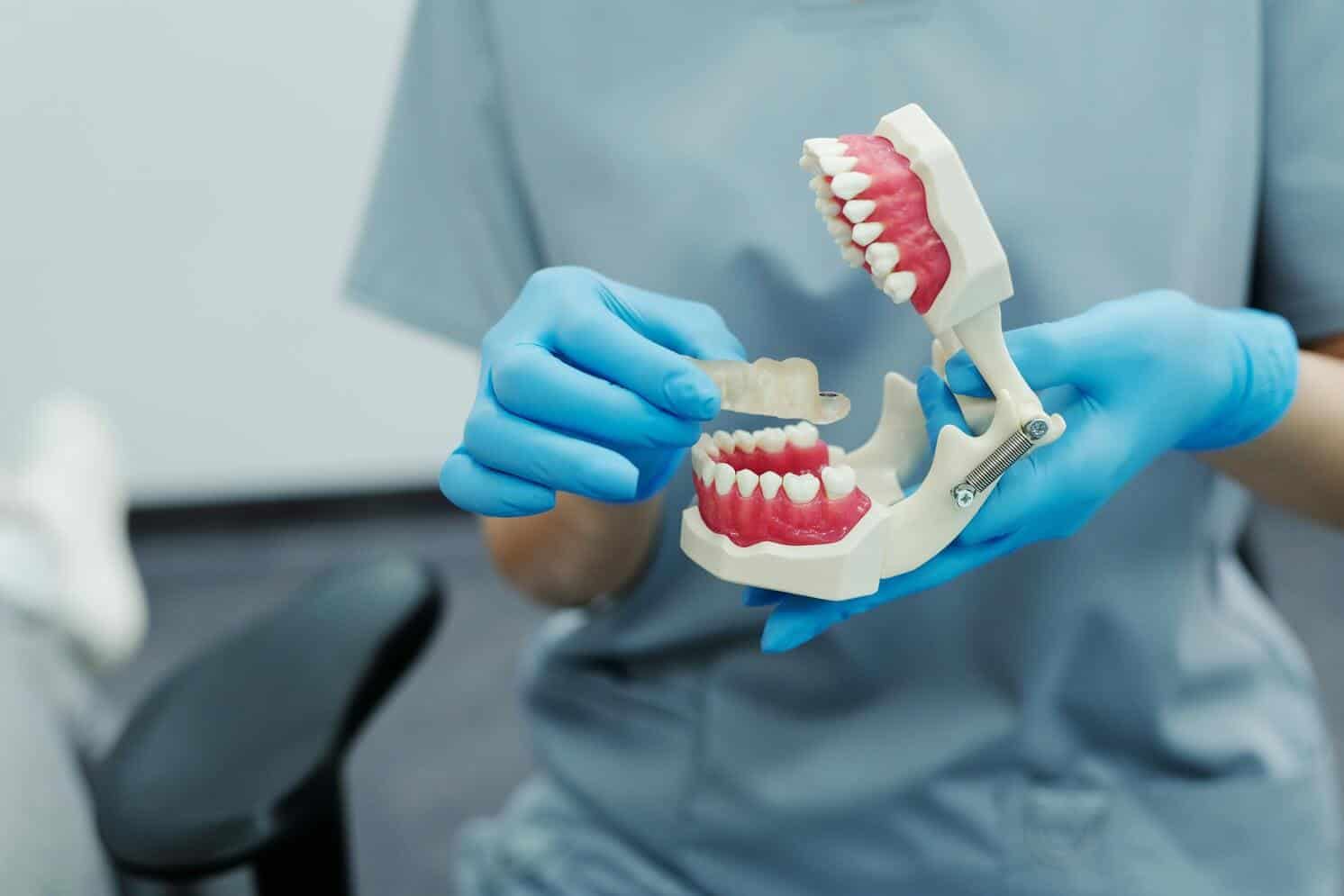
If wear is caused by bruxism, personalized night guards can protect teeth and reduce friction.
2. Remineralization treatments
In early stages, enamel can be strengthened with fluoride treatments or remineralizing products that help repair small mineral losses.
3. Dental reconstruction
For significant wear, composite resins, porcelain veneers, or crowns can restore the shape and function of the tooth.
4. Bite correction
In cases of wear caused by dental misalignment, orthodontic treatments can correct the bite and distribute forces more evenly.
5. Habit and diet changes
Reducing the consumption of acidic foods and drinks, learning proper brushing techniques, and avoiding biting objects are essential measures to prevent wear.
6. Professional cleanings and regular check-ups
Scheduling periodic dental cleanings and visiting the dentist at least twice a year allows early detection of issues and prevents major complications.
Tooth wear may seem like a minor problem at first, but over time it can compromise the health, functionality, and aesthetics of your smile. Recognizing early signs, identifying causes, and applying appropriate treatments are key to avoiding serious complications.
At Miravéco Clinic, we have specialists in conservative and aesthetic dentistry ready to help you maintain your teeth in perfect condition, offering personalized solutions to protect your smile. If you notice signs of tooth wear, don’t wait for the problem to progress. Book your appointment today and receive the care your teeth deserve.
